Mentorship / Mechanical Design
Khawaln Coffee Design Studio
Khawaln Coffee Design Studio is a mentorship programme run for VentureX, a startup accelerator in Amman. This cohort was all coffee: three early-stage startups, every one building hardware for coffee, sitting at three different points of the same chain, the farm, the drying floor, and the bean itself. Mentoring the mechanical design side of the programme, the work was taking each team through a single four-phase design lifecycle over 36 sessions, dialling the depth up or down to meet each team where it really stood.
Farm, floor, and bean
The name says coffee, and so did every machine. The three startups lined up almost neatly along the coffee chain: a precision soil-analytics sensor meant to live on Yemeni coffee farms, a high-efficiency solar dryer for the processing floor, and a vacuum-dehydration rig built to lock in the flavour of the bean itself. Same studio, same process, three very different problems.
They were also at three different stages. One needed hard numbers and a survivable enclosure, one needed a manufacturable structure, and one needed talking out of building the wrong machine first. Each team got a different starting point, set by whatever was actually holding it back.
From brief to buildable
Every team passed through the same four-phase design lifecycle. The phases stayed fixed; how far each team went into each one was set by where they actually were.
- Discovery & Definition. Understand the user, the problem, and the technical constraints before any geometry exists. Review the market research, pin down the problem, and write the specification to design against.
- Concept Development & Selection. Translate the needs into viable architecture. Brainstorming, concept sketching, risk analysis, and concept selection through Pugh / decision matrices, so the direction is chosen on evidence.
- Detailed Engineering & Analysis. Refine the chosen concept into something reliable. CAD modelling, material selection, force and stress calculations, and tolerance analysis as required.
- DFM, DFA & Verification. Prepare the design for production, with the assembly process in mind. Detailed drawings, a bill of materials, a design-for-manufacture and design-for-assembly review, a prototyping strategy, and a test plan.
One method, three machines
The same four phases held across all three products, but a sensor buried in a humid coffee farm and a lab rig chasing aroma physics are very different engineering problems.
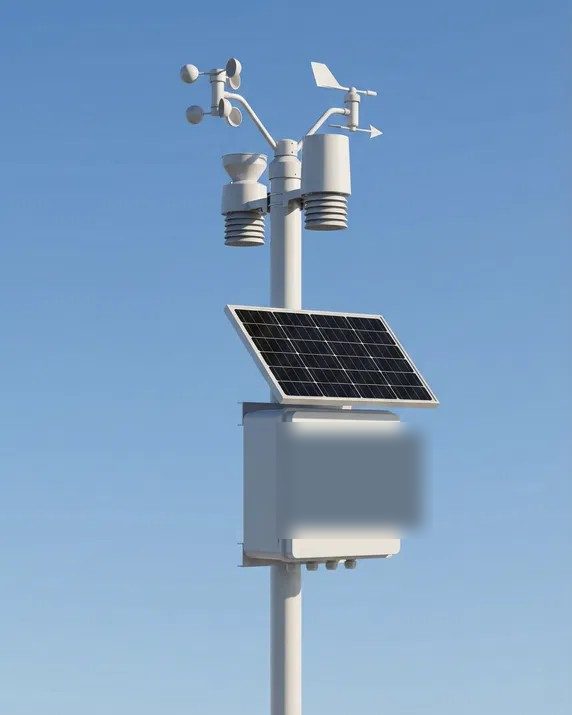
- Soil-analytics sensor, for the farm. A precision IoT device that had to survive three years buried on Yemeni coffee farms: 90%-plus humidity, salty soil, and UV. The work was mechanical hardening and lifecycle engineering, designing an enclosure that would not quietly corrode or short out in the field.
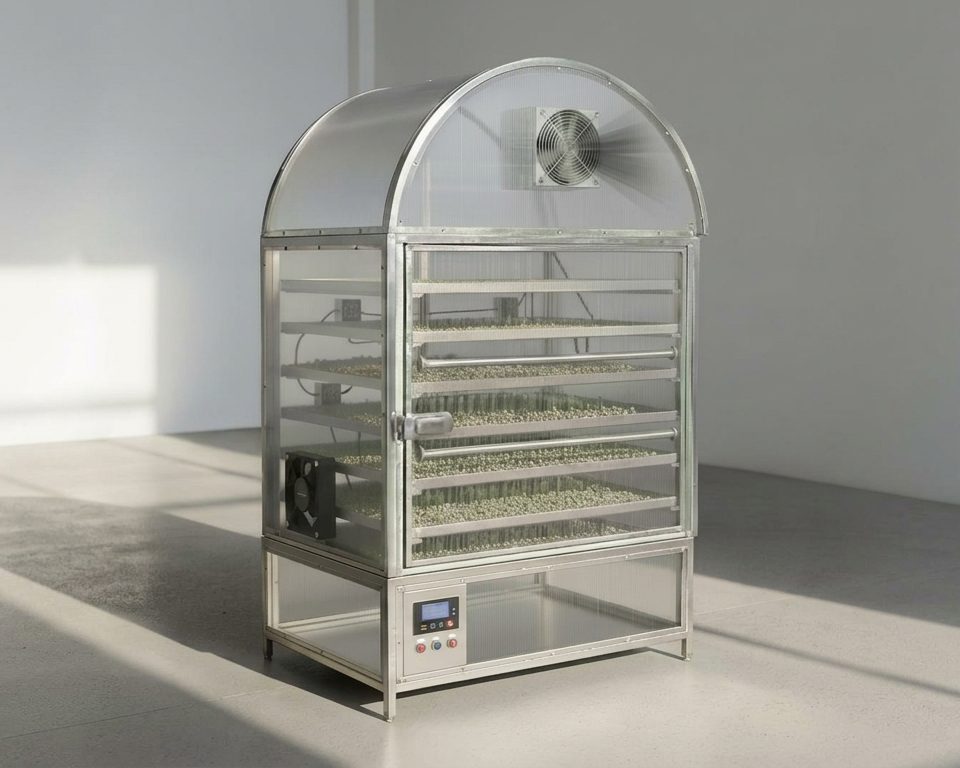
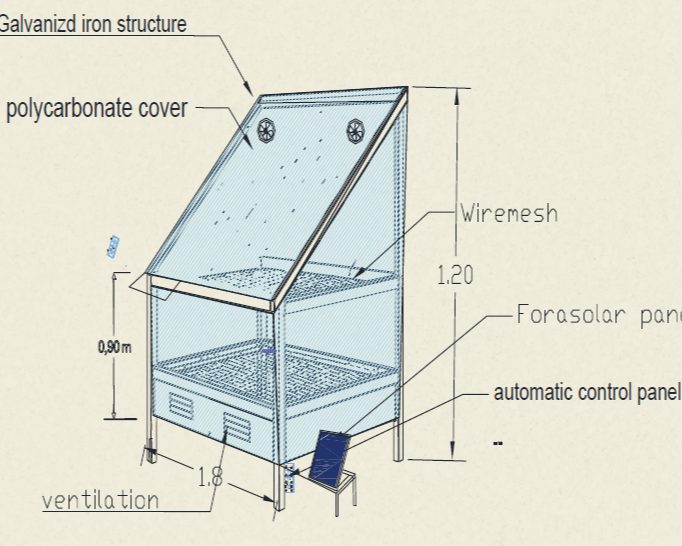
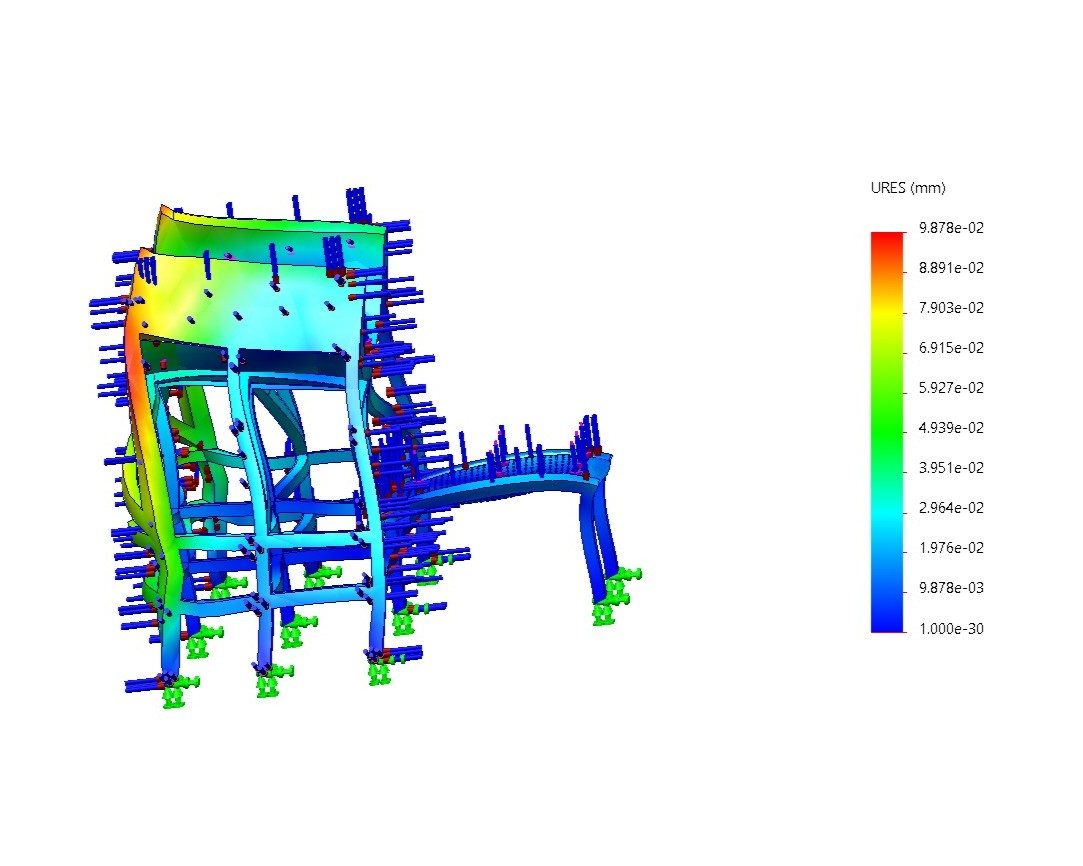
- Solar dryer, for the processing floor. A modular agricultural dryer with stainless SS316 on every coffee-contact surface, a 2.4-metre height limit, and a 3-to-5-year design life. Mentored on the thermal and structural design, and on making the assembly hard to get wrong.
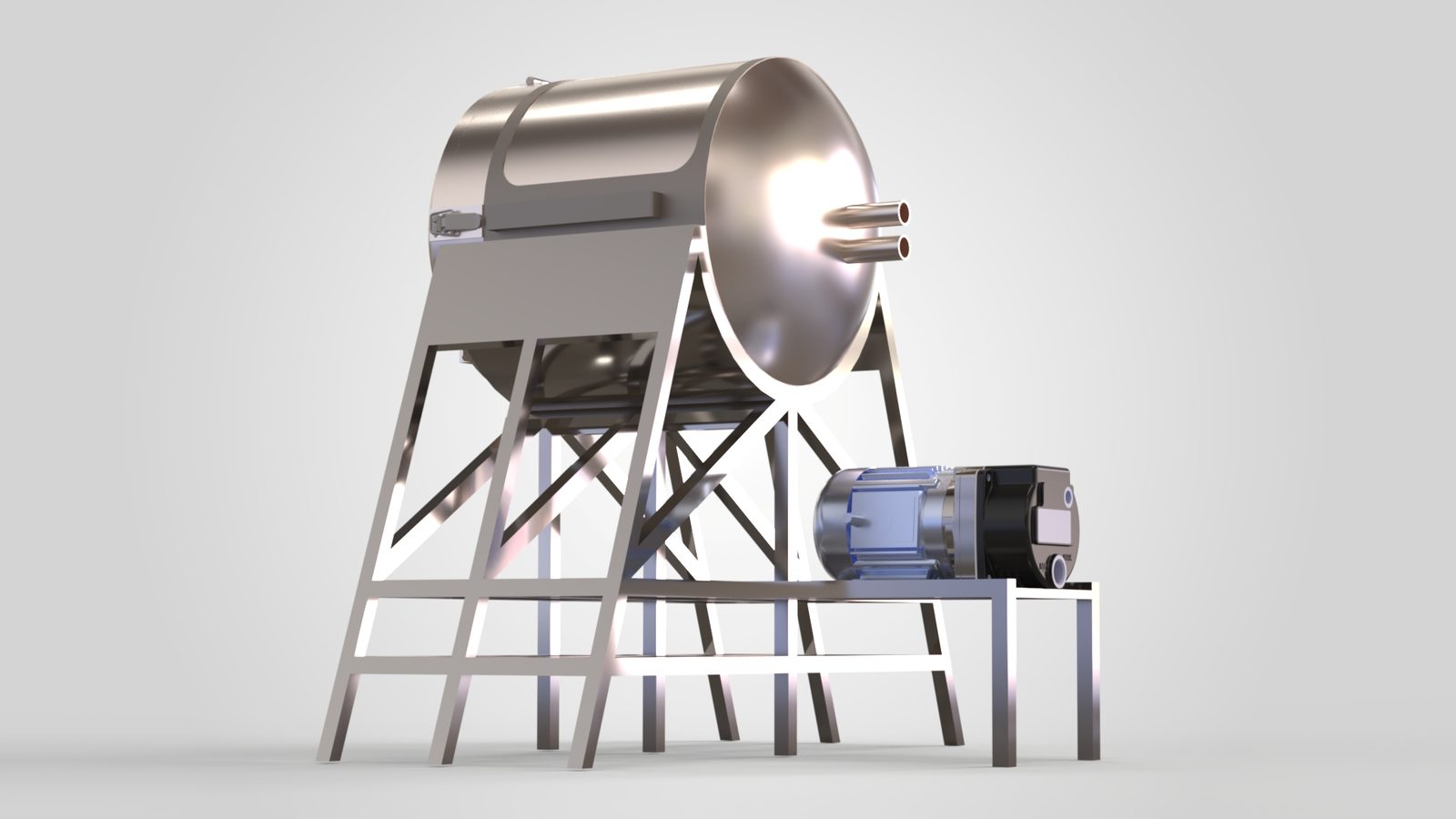
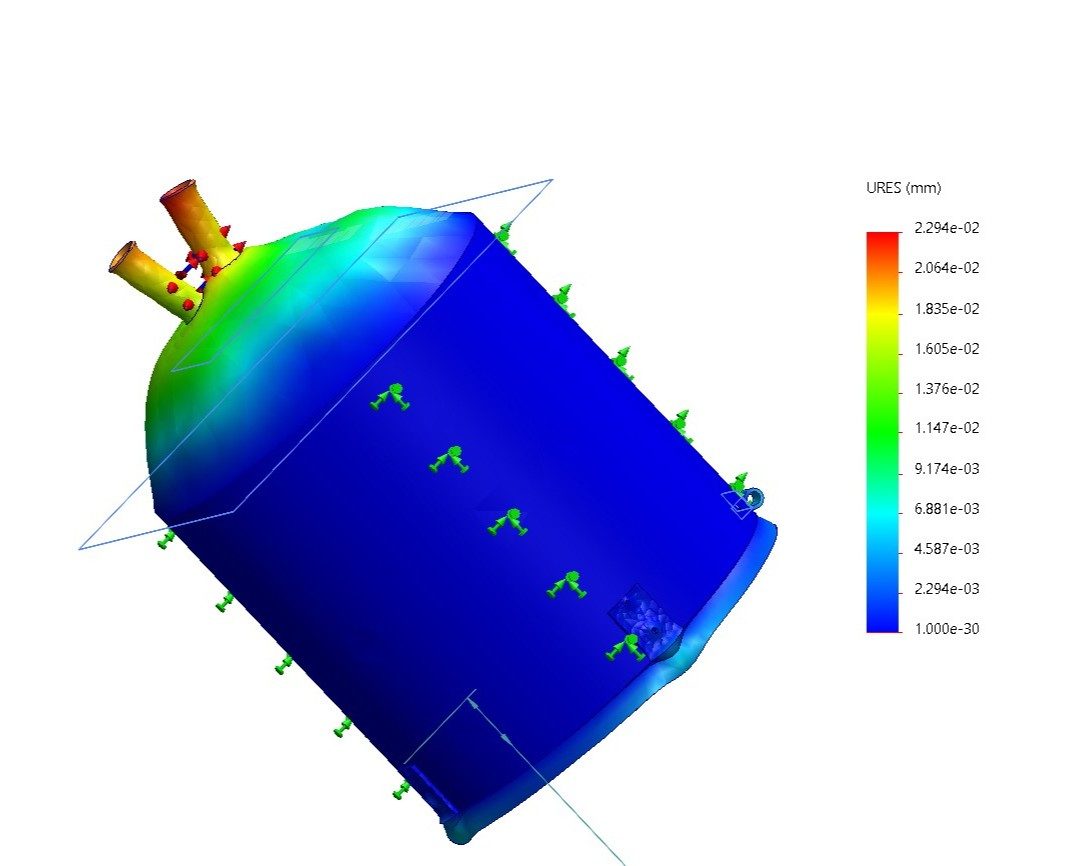
- Vacuum-dehydration rig, for the bean. The team started aiming for a 200kg industrial vacuum dryer. An honest engineering audit scaled it down to a 1kg lab rig built to prove the flavour-preservation idea first, turning the team from machine builders into process scientists before they spent on heavy capital.